
StateRAMP is a security framework that ensures cloud service providers (CSPs) handling government data meet stringent cybersecurity requirements. As more states adopt StateRAMP as a standard for cloud security, CSPs seeking to work with government agencies must achieve and maintain this certification. However, navigating the certification process presents several challenges, even for seasoned professionals.
This guide outlines CSPs’ common pitfalls in the StateRAMP certification process and offers actionable insights to help experts avoid them. From the complexities of documentation to continuous monitoring, this article provides an in-depth look at key areas that can derail your certification efforts.

Inadequate Preparation for Control Implementation
Failing to implement the required security controls properly is one of the most common errors in the certification process.
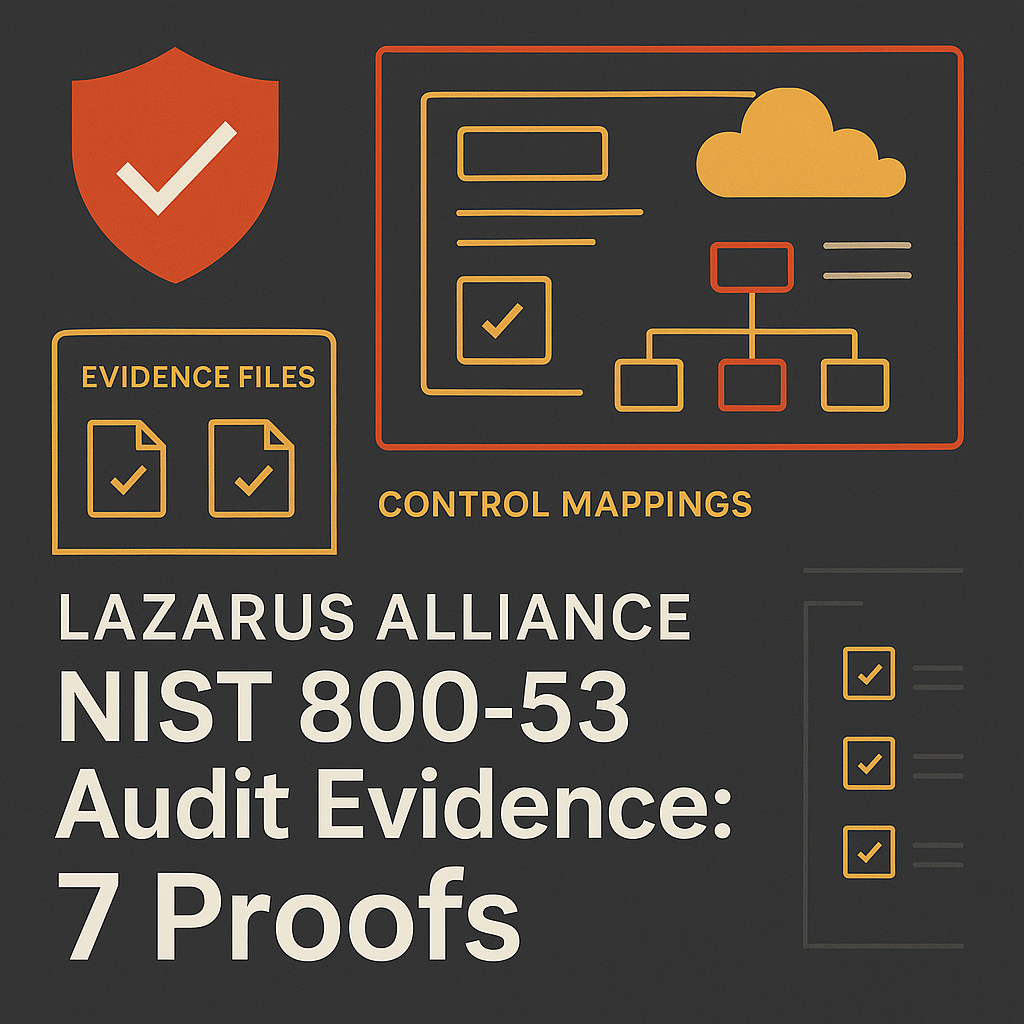
The StateRAMP framework is based on the NIST SP 800-53 security controls, designed to protect federal systems. Many CSPs make the mistake of jumping into certification without fully understanding the extent and complexity of these controls, leading to gaps in their security posture during assessment.
Solution:
- Pre-assessment Gap Analysis: Conduct a thorough internal assessment to map your existing security controls to the applicable StateRAMP baseline (Low, Moderate, or High impact levels). Identify gaps early and address them before engaging a third-party assessor (3PAO).
- Implementation Roadmap: Develop a clear roadmap for implementing required controls, with timelines, responsibilities, and performance metrics.
Overlooking Documentation and Artifact Collection
More documentation is needed for CSPs. StateRAMP requires detailed records of policies, procedures, and implementations of security controls, yet many providers underestimate the volume and complexity of documentation necessary to pass the certification.
Solution:
- Develop a Robust Documentation Strategy: Start with clear, comprehensive policies and procedures that map directly to the NIST controls. Ensure these documents describe what controls are in place and how they are implemented and enforced.
- Artifact Management: Create a centralized repository for all documentation artifacts, ensuring easy access during assessments. Automate systems or governance tools to track updates and ensure version control.
- Continuous Documentation Updates: Maintain documentation as a living set of records that reflects real-time changes in your environment, system configurations, and incident responses.
Failing to Align with the Correct Impact Level
Selecting the right impact level (Low, Moderate, or High) for your StateRAMP certification can save time and resources. Some CSPs aim too low and fail to meet contractual obligations or aim too high and need help complying with unnecessary control requirements.
Solution:
- Contractual Review: Carefully review contracts with your government partners to understand their requirements regarding the impact level of the data and services your solution will handle.
- Risk Assessment: Conduct a formal risk assessment to determine the sensitivity of the data you are processing, the potential impact of a security breach, and the required level of compliance.
- Consult with Stakeholders: Engage with government agencies or security experts familiar with StateRAMP to confirm that your selected impact level aligns with their expectations.
Insufficient Continuous Monitoring and Maintenance
Achieving certification is only the beginning of maintaining compliance. CSPs frequently underestimate the importance of continuous monitoring, which is required to retain StateRAMP authorization. Lapses in monitoring can lead to non-compliance and loss of certification.
Solution:
- Automated Monitoring Tools: Implement computerized solutions for security monitoring, log analysis, and vulnerability scanning to ensure continuous oversight of your cloud environment. Tools like Security Information and Event Management (SIEM) platforms can help track and report incidents in real-time.
- Security Operations Center (SOC): Establish a SOC for around-the-clock monitoring of security events and incidents. The SOC team should monitor system logs and respond to incidents using a predefined incident response plan.
- Quarterly Reporting: Ensure compliance with StateRAMP’s requirement for quarterly vulnerability scans and annual penetration tests. Automate reporting processes to streamline submission and avoid manual errors.
Underestimating the Time and Effort for Third-Party Assessment
Many CSPs must pay more attention to the effort required during the third-party assessment process, leading to delays and potentially failed assessments.
Solution:
- Early Engagement with a 3PAO: Begin working with an accredited 3PAO early. A third-party assessor can offer pre-assessment services to identify areas that require improvement before the formal assessment begins.
- Pre-Assessment Dry Runs: Conduct internal assessments to ensure all controls are fully implemented and functional before the 3PAO arrives. These dry runs can simulate the assessment process and identify weaknesses.
- Clear Communication Channels: Maintain open and transparent communication with your 3PAO to manage timelines, expectations, and feedback loops effectively. Ensure all requested documentation is readily available and accessible to expedite the assessment process.
Failure to Incorporate Incident Response and Contingency Plans
Many CSPs overlook the importance of robust incident response and contingency planning as part of their StateRAMP certification. This is a critical misstep, as these plans are integral to maintaining compliance and responding to potential breaches or disruptions.
Solution:
- Comprehensive Incident Response Plan (IRP): Develop a detailed IRP that outlines specific steps to take during a cybersecurity incident. This plan should include roles, responsibilities, communication protocols, and recovery steps.
- Tabletop Exercises: Conduct tabletop exercises regularly to test the effectiveness of your incident response plan. Simulate real-world scenarios to ensure your team is prepared to respond to a breach or service disruption.
- Contingency Planning: Ensure that your contingency plan covers disaster recovery (DR) and continuity of operations (COOP). These plans should be integrated with your overall risk management strategy to minimize the impact of disruptions.
Ineffective Vendor Risk Management
CSPs often focus on their security controls but fail to manage the security risks associated with third-party vendors or subcontractors, leading to security vulnerabilities in the supply chain.
Solution:
- Vendor Due Diligence: Implement a rigorous vendor risk management program that assesses the security posture of any third parties with access to your systems or data. Ensure they meet StateRAMP requirements and that their controls align with your own.
- Vendor Contracts: Include clauses in vendor contracts that mandate compliance with StateRAMP and provide for regular security audits and assessments of their systems.
- Ongoing Vendor Monitoring: Continuously monitor vendors for compliance through regular assessments, audits, and vulnerability scans. If a vendor fails to maintain compliance, take corrective actions or seek alternative providers.
Misjudging the Cost of Certification
Pitfall: Underestimating the financial investment required for StateRAMP certification is a standard error. Costs can escalate due to unforeseen compliance gaps, re-assessments, and the resources needed for continuous monitoring.
Solution:
- Budget Planning: Develop a detailed budget that accounts for all stages of the certification process, including pre-assessment, third-party assessment, control implementation, and continuous monitoring. Ensure that costs for tool licenses, staffing, and ongoing maintenance are included.
- Plan for Contingencies: Set aside a contingency budget to cover unexpected costs such as additional assessments, extended timelines, or documentation rework.
Failing to Leverage Automation and Technology Solutions
Pitfall: Many CSPs rely too heavily on manual processes for security monitoring and control implementation, which increases the risk of errors and non-compliance.
Solution:
- Adopt Automation Tools: Leverage automation tools for control implementation, continuous monitoring, and documentation management. Tools such as automated patch management systems, configuration baselines, and compliance tracking software can significantly reduce the burden on security teams.
- AI and Machine Learning for Threat Detection: Invest in AI-driven tools that can help with advanced threat detection, pattern recognition, and real-time incident response. These tools are handy for meeting StateRAMP’s continuous monitoring requirements.
Get Ahead of StateRAMP with Lazarus Alliance
StateRAMP will offer increasingly robust business and service lines in the state, local, and municipal cloud software industry. Secure companies will stand at the forefront of this new wave of digital modernization. Ensure you’re one of them: work with Lazarus Alliance for Your StateRAMP assessment needs.
To learn more about how Lazarus Alliance can help, contact us.
- FedRAMP
- StateRAMP
- NIST 800-53
- FARS NIST 800-171
- CMMC
- SOC 1 & SOC 2
- HIPAA, HITECH, & Meaningful Use
- PCI DSS RoC & SAQ
- IRS 1075 & 4812
- ISO 27001, ISO 27002, ISO 27005, ISO 27017, ISO 27018, ISO 27701, ISO 22301, ISO 17020, ISO 17021, ISO 17025, ISO 17065, ISO 9001, & ISO 90003
- NIAP Common Criteria – Lazarus Alliance Laboratories
- And dozens more!
Related Posts